


Built on Curiosity: Architecture and the Public Realm
Rubacha Featured Speakers Susan Rodriguez ('81, B.Arch. '82) and Michael Manfredi (M.Arch. '80) will deliver lectures on Thursday, October 23, at 5:30 p.m. in the Abby and Howard Milstein Auditorium on Cornell's Ithaca campus. In advance of their talks, Rodriguez and Manfredi share insights drawn from their professional trajectories.
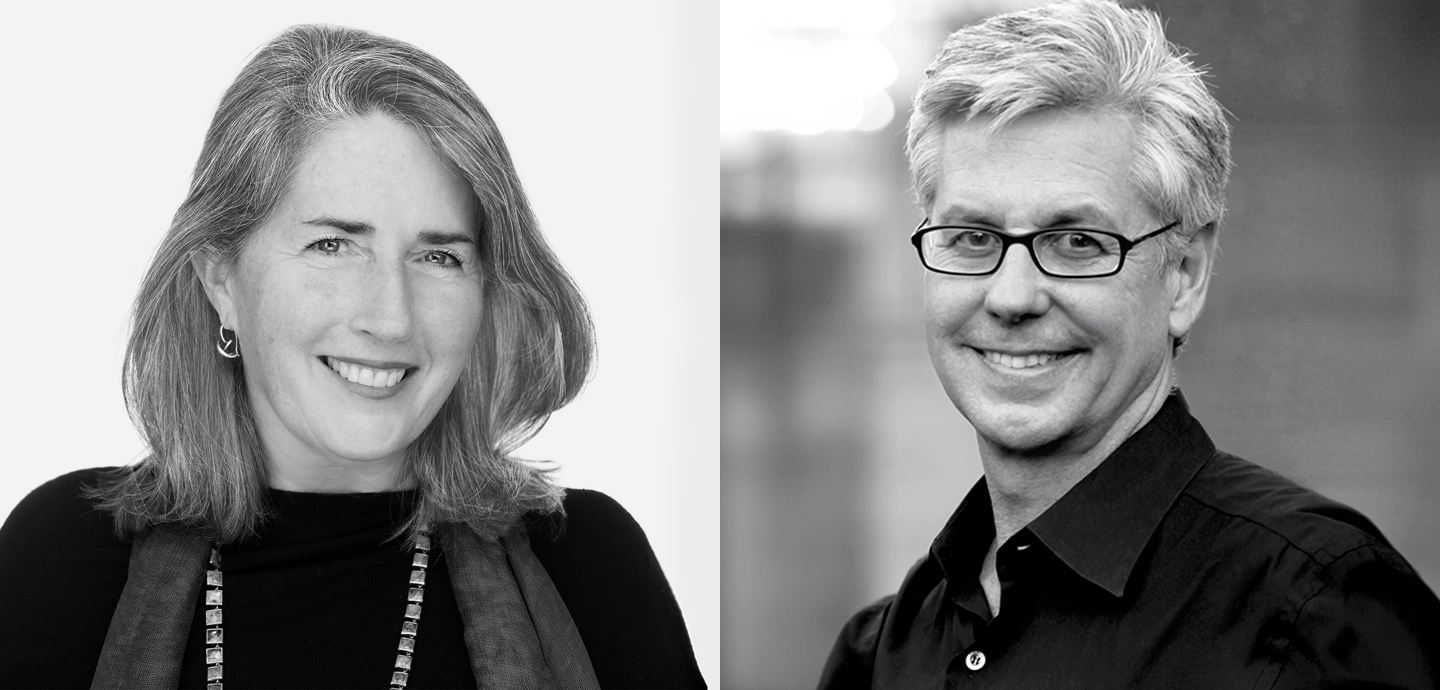
Susan Rodriguez and Michael Manfredi. photos / Peter Hurley and Shuli Sadé
Through the consideration of cultures and communities, contemporary social issues, and environmental challenges, projects taken on by Rubacha Featured Speakers Susan Rodriguez ('81, B.Arch. '82) and Michael Manfredi (M.Arch. '80) engage the intersections of architecture and the public realm.
On October 23, the two speakers, both of whom are also active members of the AAP Advisory Council, will discuss key work built at these crossroads, followed by a Q&A moderated by Architecture Chair and Professor Jose Castillo. They will share design perspectives drawn from real-world examples and the inspiration that considered research and collaborative, multidisciplinary approaches have brought to their careers.
"Work in the public realm is caring deeply about how it's going to affect people's lives," says Rodriguez, who leads the New York City-based firm Susan T Rodriguez | Architecture · Design (STR | A·D).
Underlining the importance of not simply imposing a personal vision but finding inspiration in the unique story each project and site has to tell, Rodriguez explains, "It's very much about trying to understand what has gone on before as one thinks about an architecture that's connected very specifically to place and the culture surrounding it, how deeply informed you need to be about that place to create something that's really fused with the circumstances. That then gives you inspiration and makes it something that, in many ways, ultimately seems like it's always been there because it's so deeply connected to that understanding."
The work of WEISS/MANFREDI is similarly committed to research in order to advance design thinking and deeply consider current challenges and opportunities. "In the work I do lies the conviction that in the face of complex problems, whether social or environmental, there are opportunities for a set of creative propositions," says Manfredi. "That's the beauty of what architecture can do. It brings a constellation of different disciplines together and hopefully puts forward an original, creative provocation, either at the scale of a building, in the networks of open spaces, or in the form of a chair. The scale doesn't matter."
"For me," he continues, "these challenges, daunting as they may be and intractable as some of them are, offer incredible opportunities for new approaches and solutions."
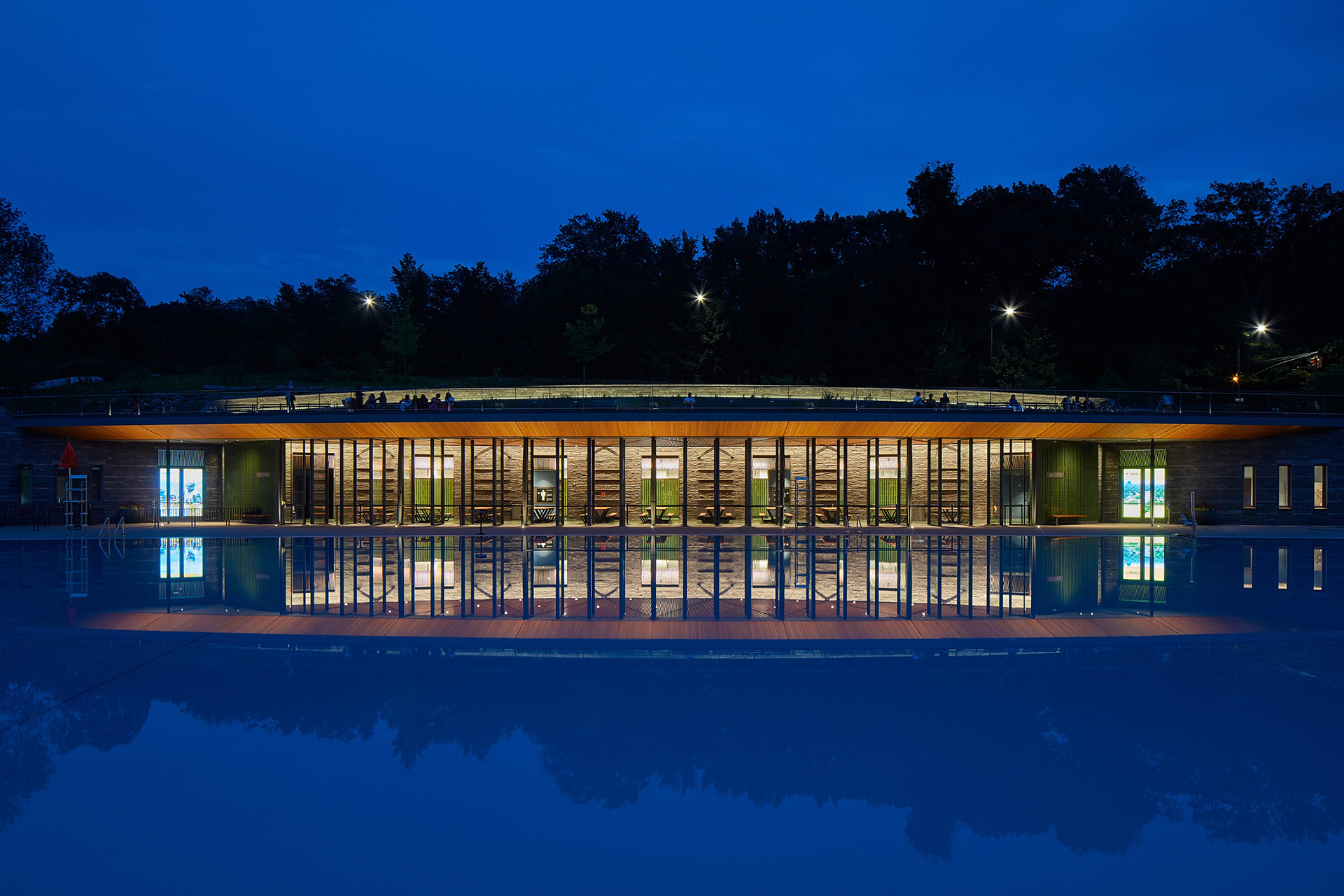
STR | A·D, The Davis Center at the Harlem Meer. photo / Richard Barnes
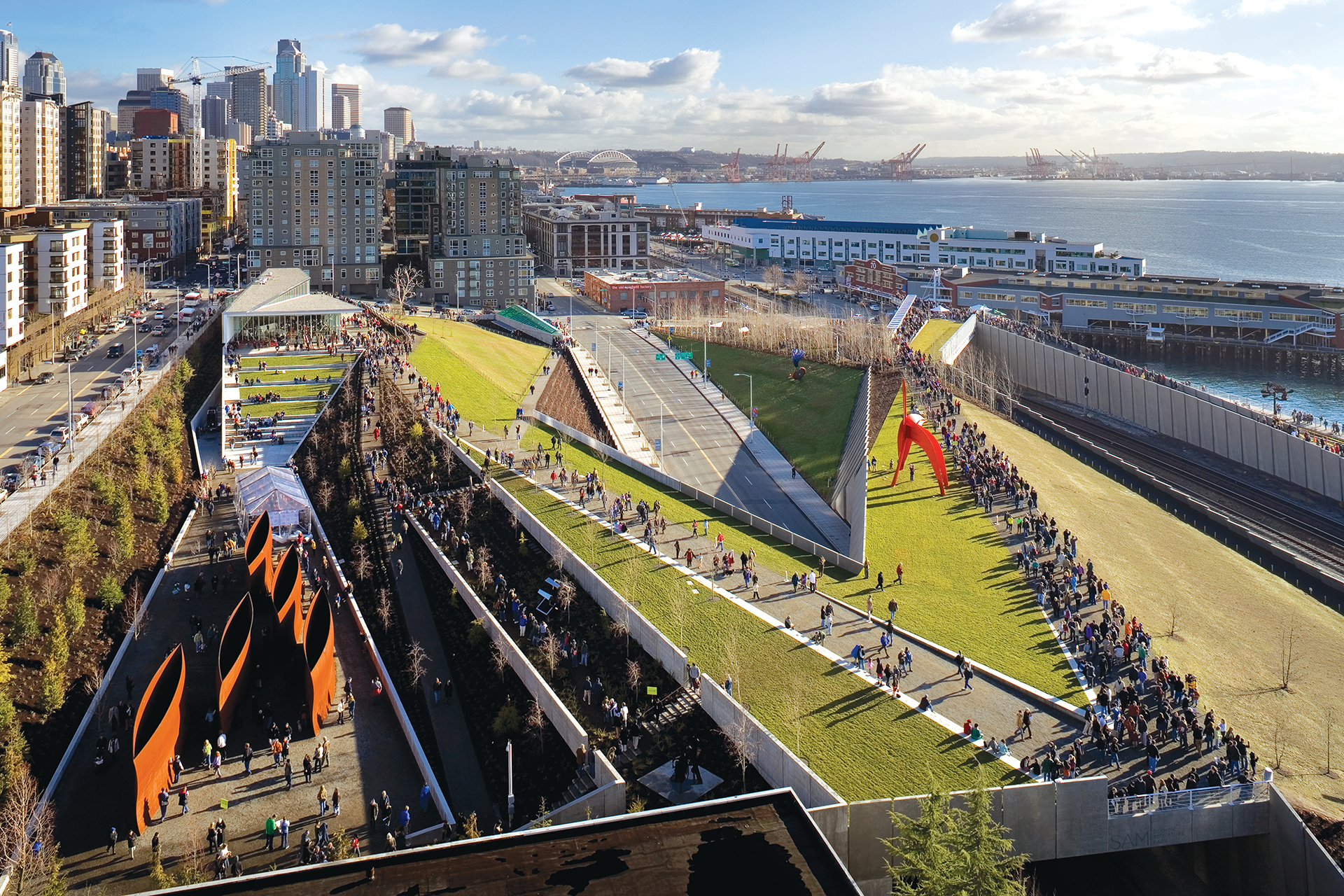
WEISS/MANFREDI, Olympic Sculpture Park in Seattle. photo / Ben Benschneider
"It's definitely something we don't do alone," Rodriguez concurs. "The quality of the work you do is deeply connected to the quality of the teams that you work with. We're entrusted with bringing expertise together to create lasting experiences and lasting buildings that will stand the test of time."
Some examples of those solutions and outcomes will be on display during the October event, as Manfredi shares his firm's multidisciplinary projects, such as the Olympic Sculpture Park for the Seattle Art Museum, and Rodriguez reviews STR | A·D's current body of work, including the new Davis Center at the Harlem Meer in Central Park.

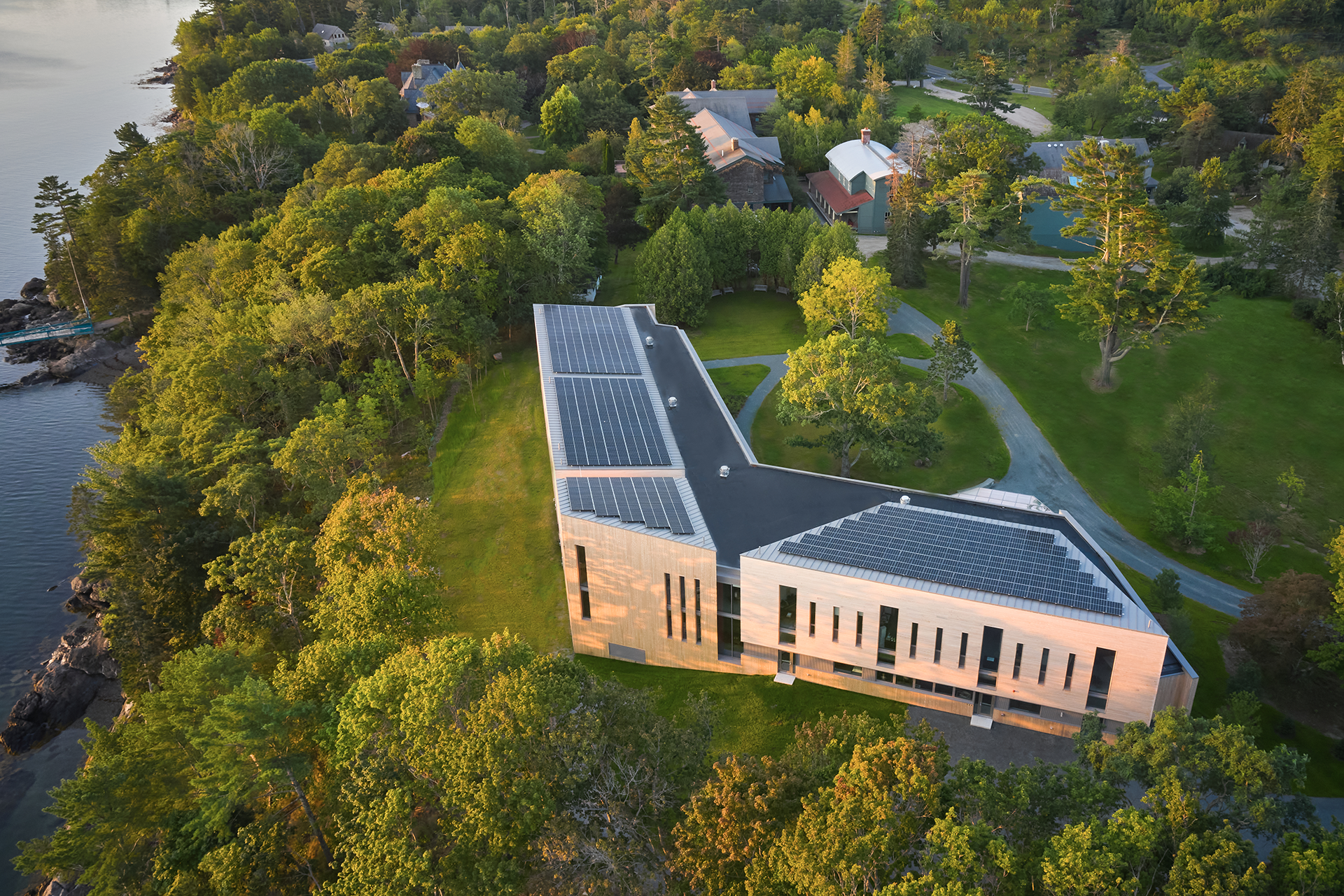
STR | A·D, College of the Atlantic Davis Center of Human Ecology. image /Jen Holt
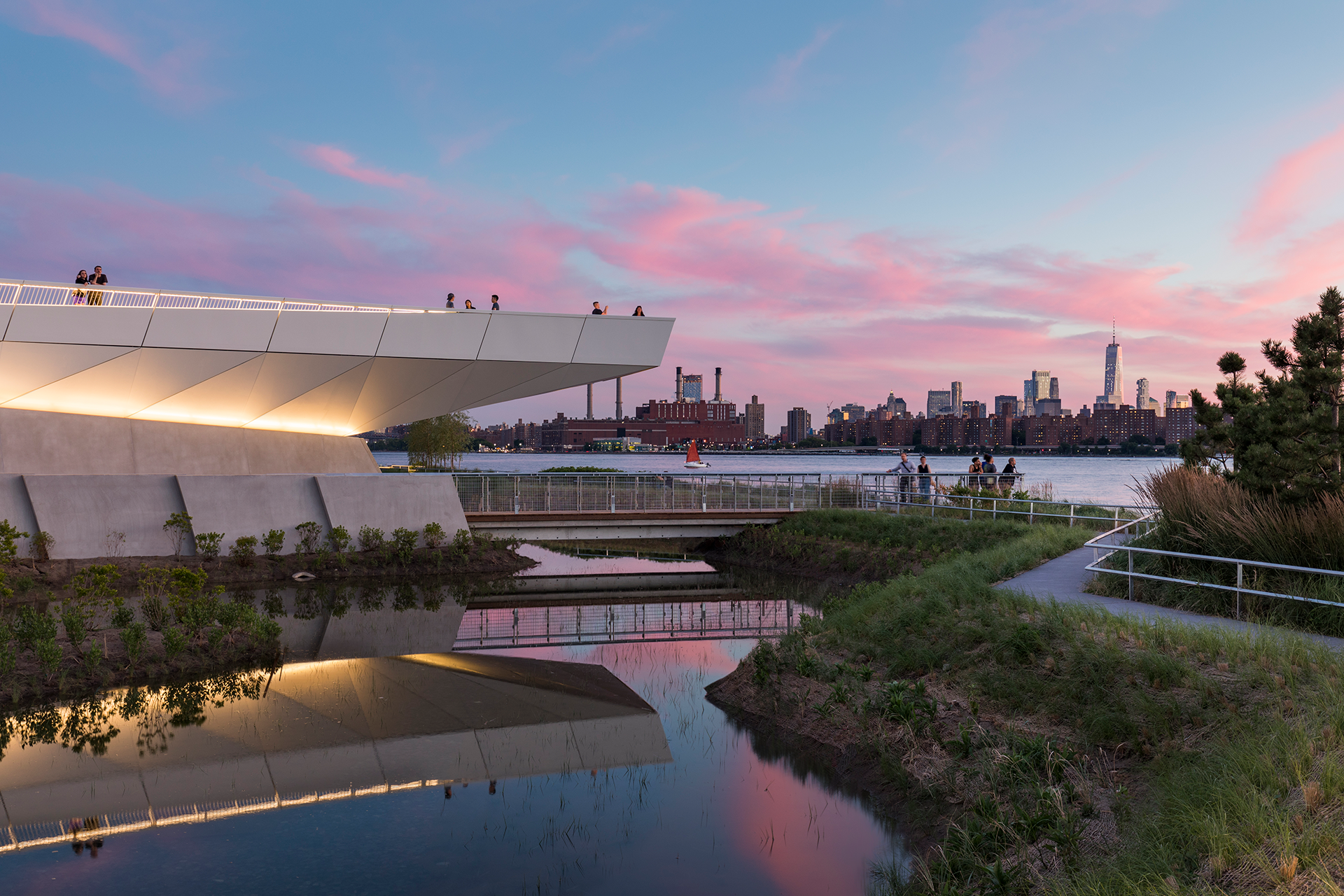
WEISS/MANFREDI, Hunter's Point South Waterfront Park in Queens, New York. image / Albert Vecerka
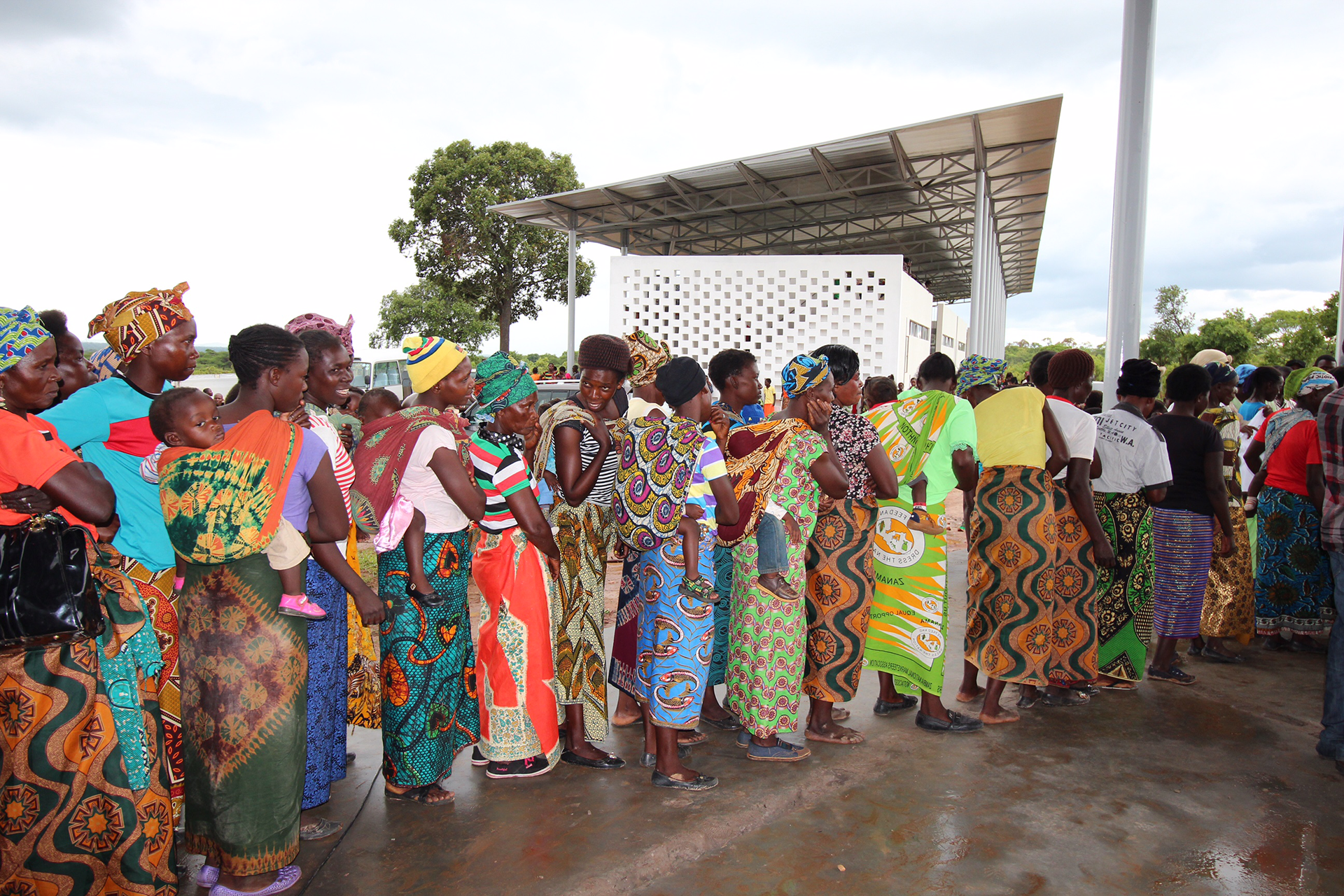
STR | A·D, Chipakata School in Zambia. image / Joseph Mizzi
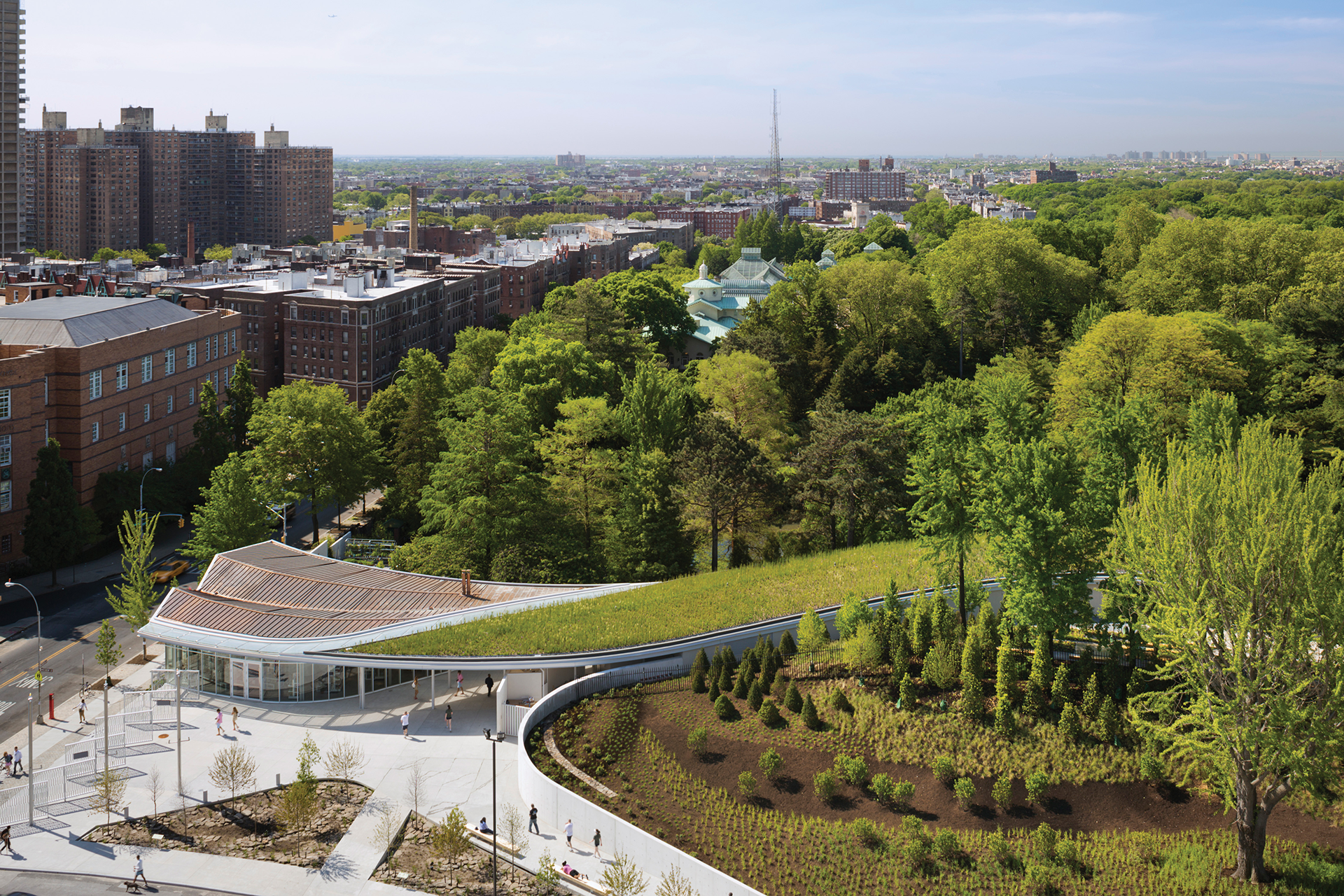
WEISS/MANFREDI, Brooklyn Botanic Garden Visitor Center. image / Albert Vecerka
STR | A·D, Bard Graduate Center. image / Aislinn Weidele
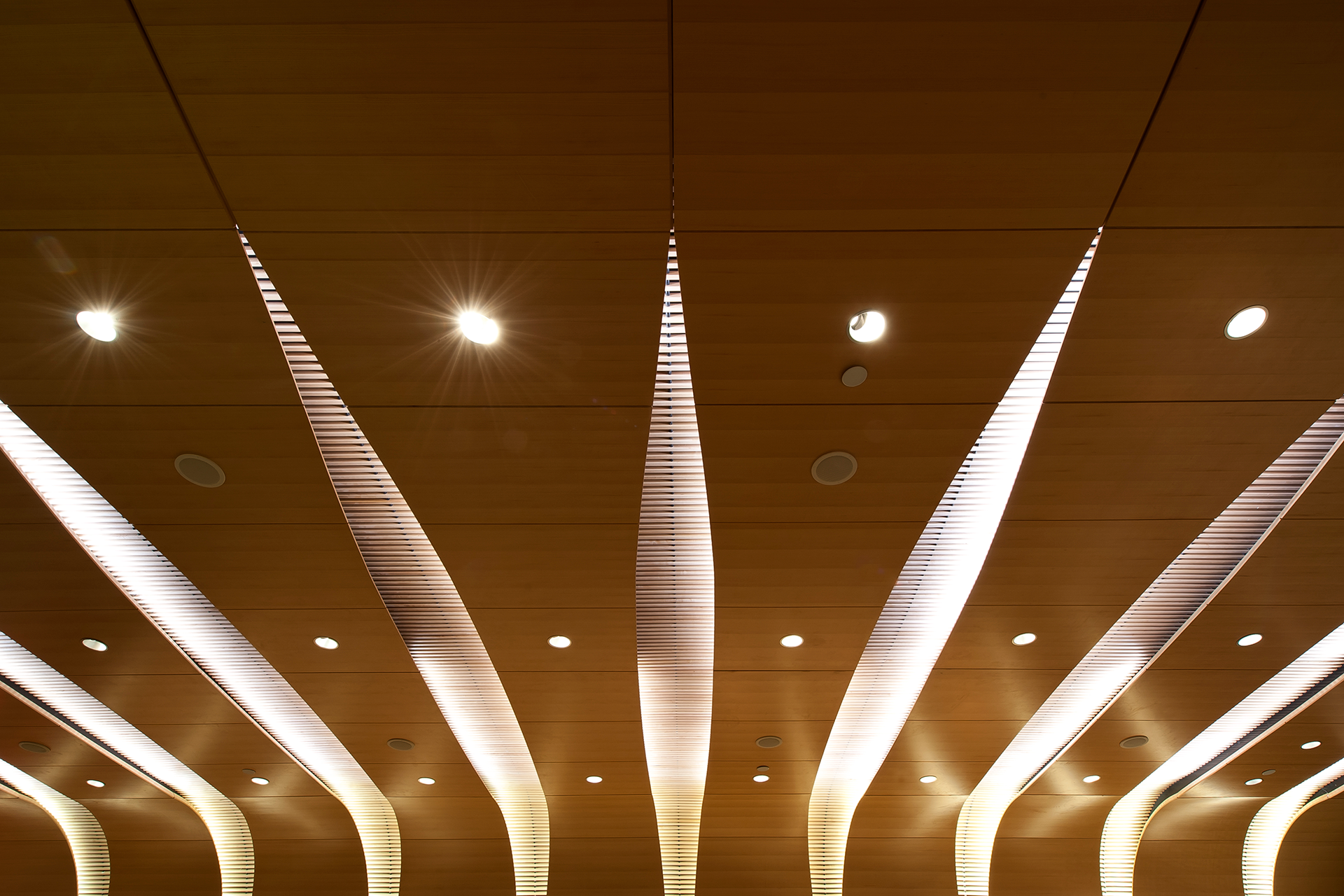
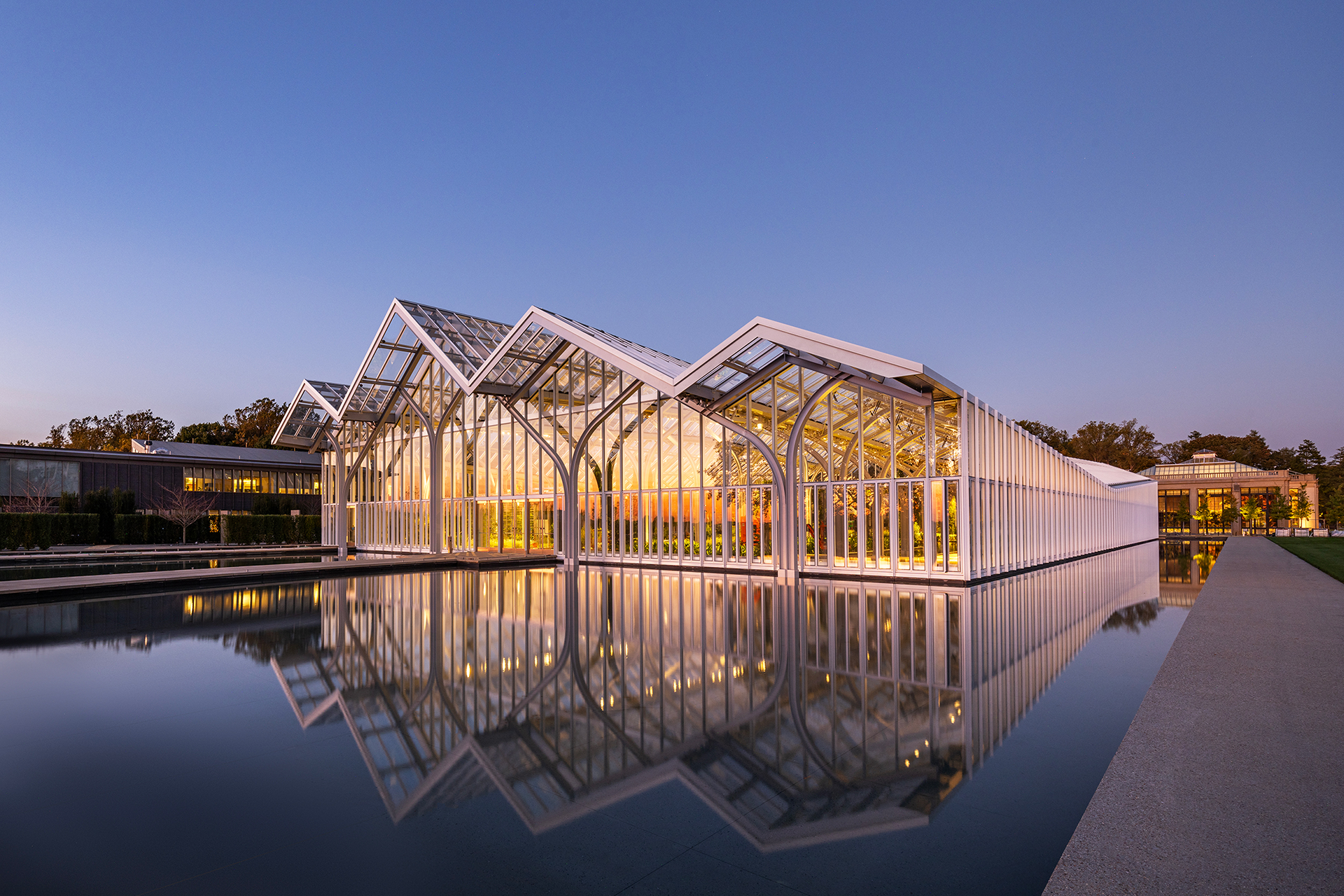
WEISS/MANFREDI, The West Conservatory at Longwood Gardens. image / Albert Vecerka

STR | A·D, College of the Atlantic Davis Center of Human Ecology. image /Jen Holt
Through their work and the evening's discussion, Rodriguez and Manfredi hope to bring into dialogue the ways design can effectively heighten awareness of place and invent new settings for public life.
Rodriguez is adamant that "it's not about us. It's about who we're working with. It's bringing an optimism and a curiosity about the vast range of places that we work in and finding new ideas through telling people's stories."
For his part, Manfredi hopes there's a sense of optimism the audience is also able to take away from the presentation. "These are times where optimism is in short supply," he acknowledges. "I'd like to leave the audience with a sense that good architecture can make for better settings. It can't solve all of the world's problems, but if done properly, done with conviction, it can go a long way toward making a better life."
Attend the Lecture
Rubacha Featured Speakers: Susan Rodriguez ('81, B.Arch. '82) and Michael Manfredi (M.Arch. '80)
Thursday, October 23 at 5:30 p.m.
Abby and Howard Milstein Auditorium, Milstein Hall
This is a hybrid event. Register to attend virtually.
This event is supported by the Rubacha Fund for Excellence in the College of Architecture, Art, and Planning, which allows the college to showcase the incredible work of AAP students, faculty, and alumni.
Also of Interest
-
In NYC's Central Park, AAP Alum Leads a Stunning Transformation May 13, 2025

-
Cornell AAP Alumni, Faculty, and Students Answer 2025 Venice Architecture Biennale's Call to Rethink the Built Environment in an Era of Climate Challenge May 21, 2025

-
Pursuing Purpose, Building Knowledge: AAP Embarks on the Fall 2025 Semester August 22, 2025

