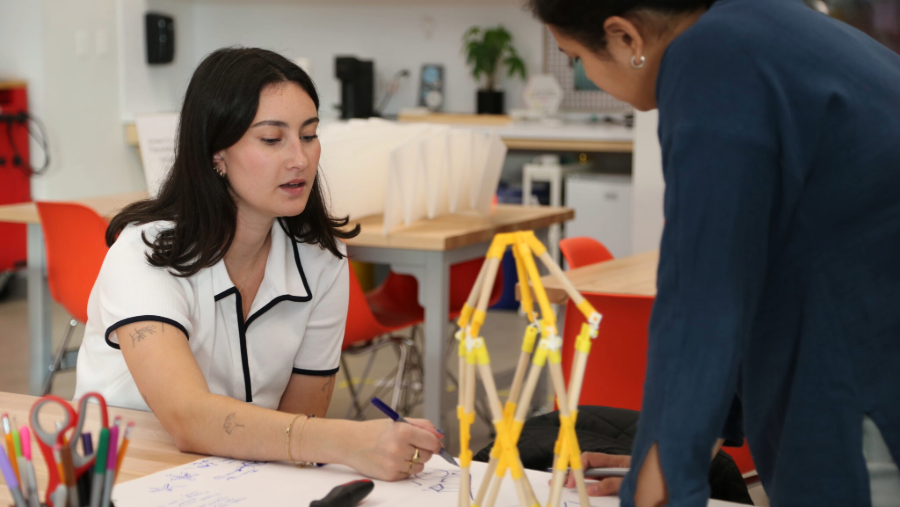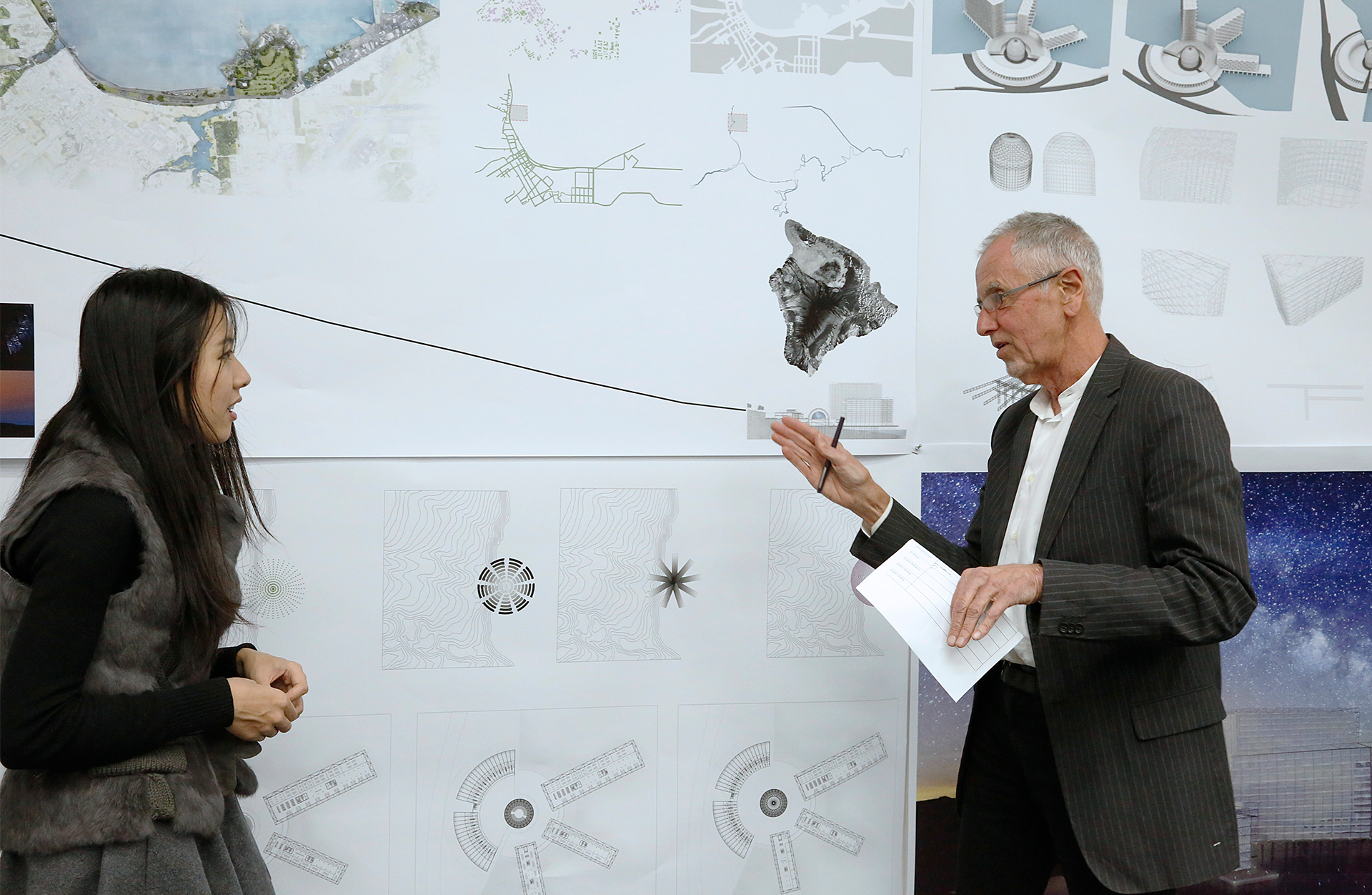
George Edward Hascup, Professor Emeritus of Architecture, was born in Fair Lawn, New Jersey, and studied architecture on both coasts — at Pratt Institute in Brooklyn, New York, and at the University of California–Berkeley. Soon after completing his Bachelor of Architecture degree in 1968, Hascup moved back east to begin his career that straddled design practice and education for over fifty years. Hascup died on June 23 in Ithaca, New York, at age 82.
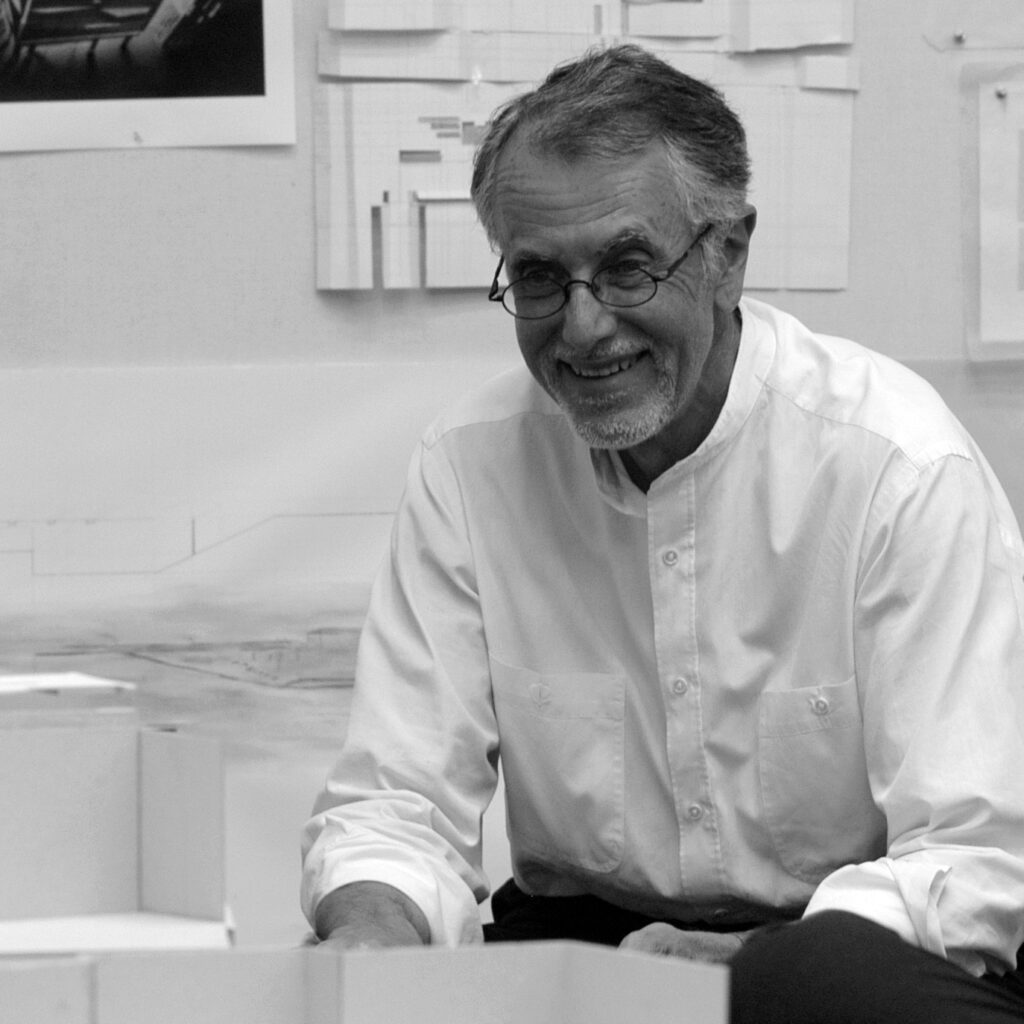
Hascup dedicated his career in architectural education to the Department of Architecture in Cornell’s College of Architecture, Art, and Planning. In parallel, he contributed built work to the Finger Lakes region through his position at William Downing Associates and his firm, Hascup/Lorenzini, Architects. He saw design as a way of life and a mode of critical engagement with people and places. Former students and colleagues recall Hascup’s penchant for mentorship as genuine, rare, and at times, productively relentless.
“George had a way of figuring out how to push your limits — he could identify unique talent, hone a skill, and bring out your best work,” said former student and longtime friend John Barradas (B.Arch. ’87), a fellow Ithaca-based architect. “When he was done hearing you talk about your ideas, he would insist that you sit down and just ‘draw it out.’ He wanted something to react to as both a person and a mentor who was there to give — and he asked that you give back your all in return. He could be unrelenting in the best way.”
AAP Dean J. Meejin Yoon (B.Arch. ’95) was also one of Hascup’s former students in the 1990s and a faculty colleague for the past six years.
“As an educator, George valued and taught exceptional professional care, design aptitude, and craft,” said Yoon. “I was fortunate to study with George in my second year as an architecture student at Cornell, and know generations have benefited tremendously from his lessons on formal inquiry and his encouragement to explore design as a tangible contributor to place. From pedagogical exercises ranging from an extreme vertical house for a fictional rock climber, to drawing the maximum number of lines per square inch, to experiments in wood joinery, the consideration he brought to every detail and decision, and the kindness and generosity he brought to our studios and classrooms are unforgettable.”
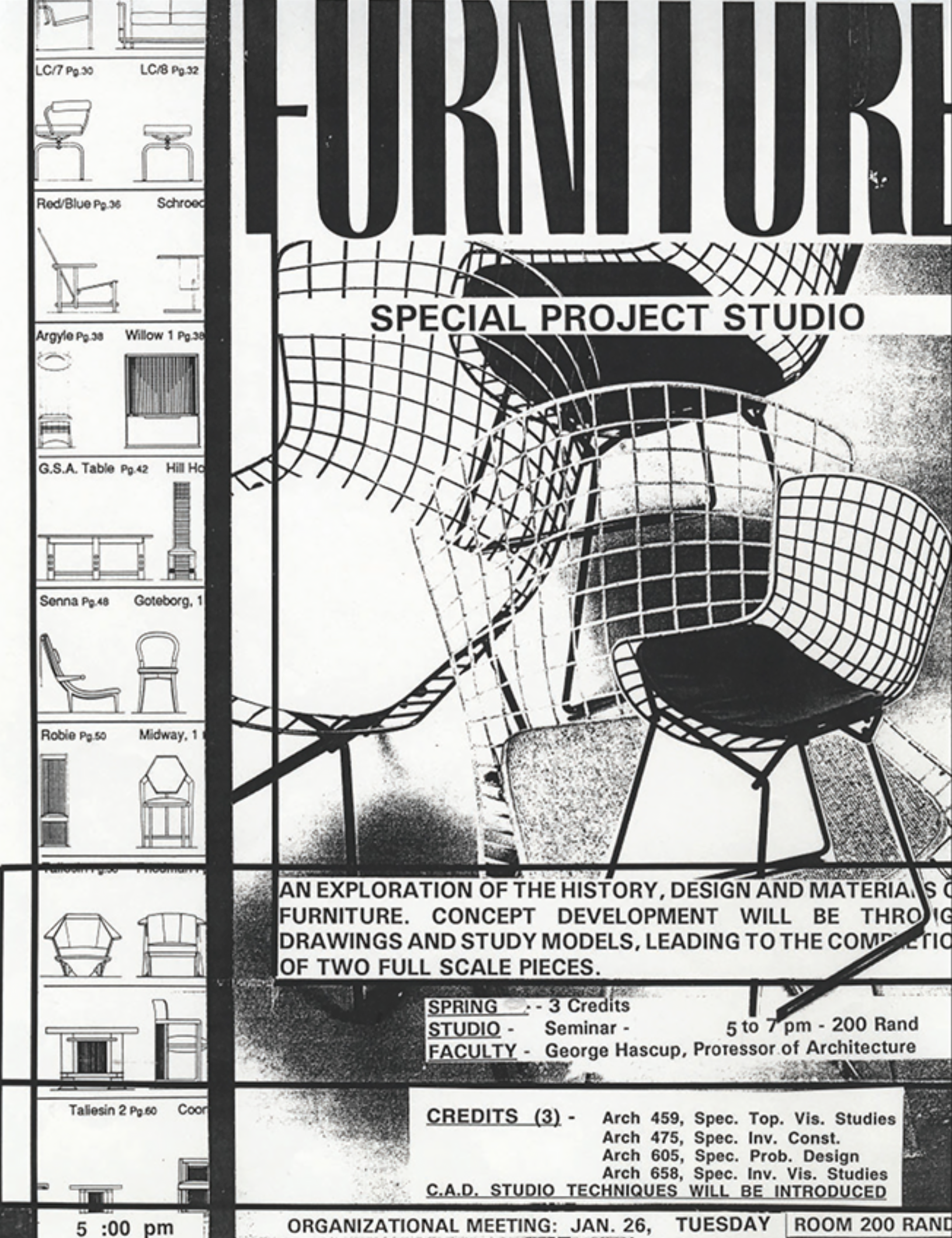
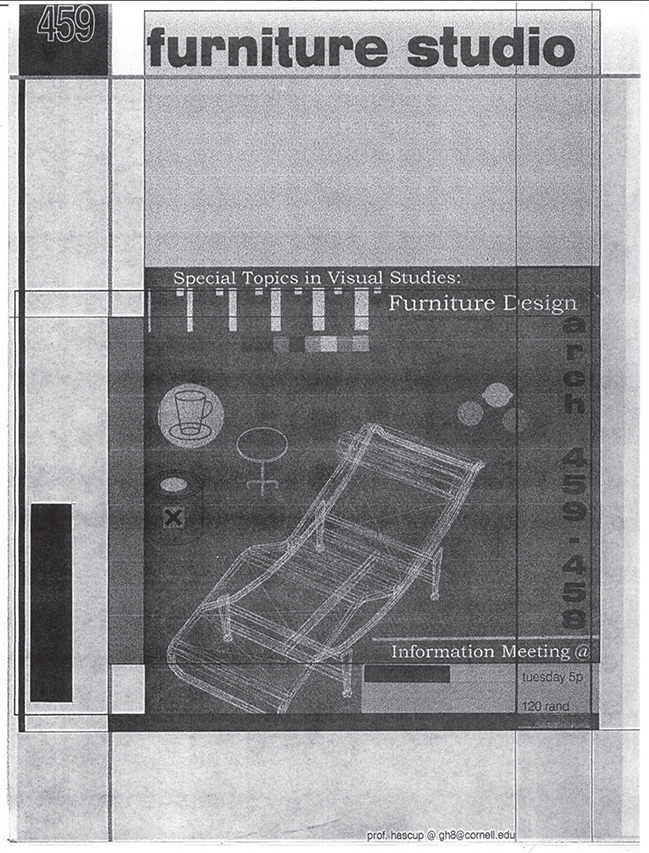
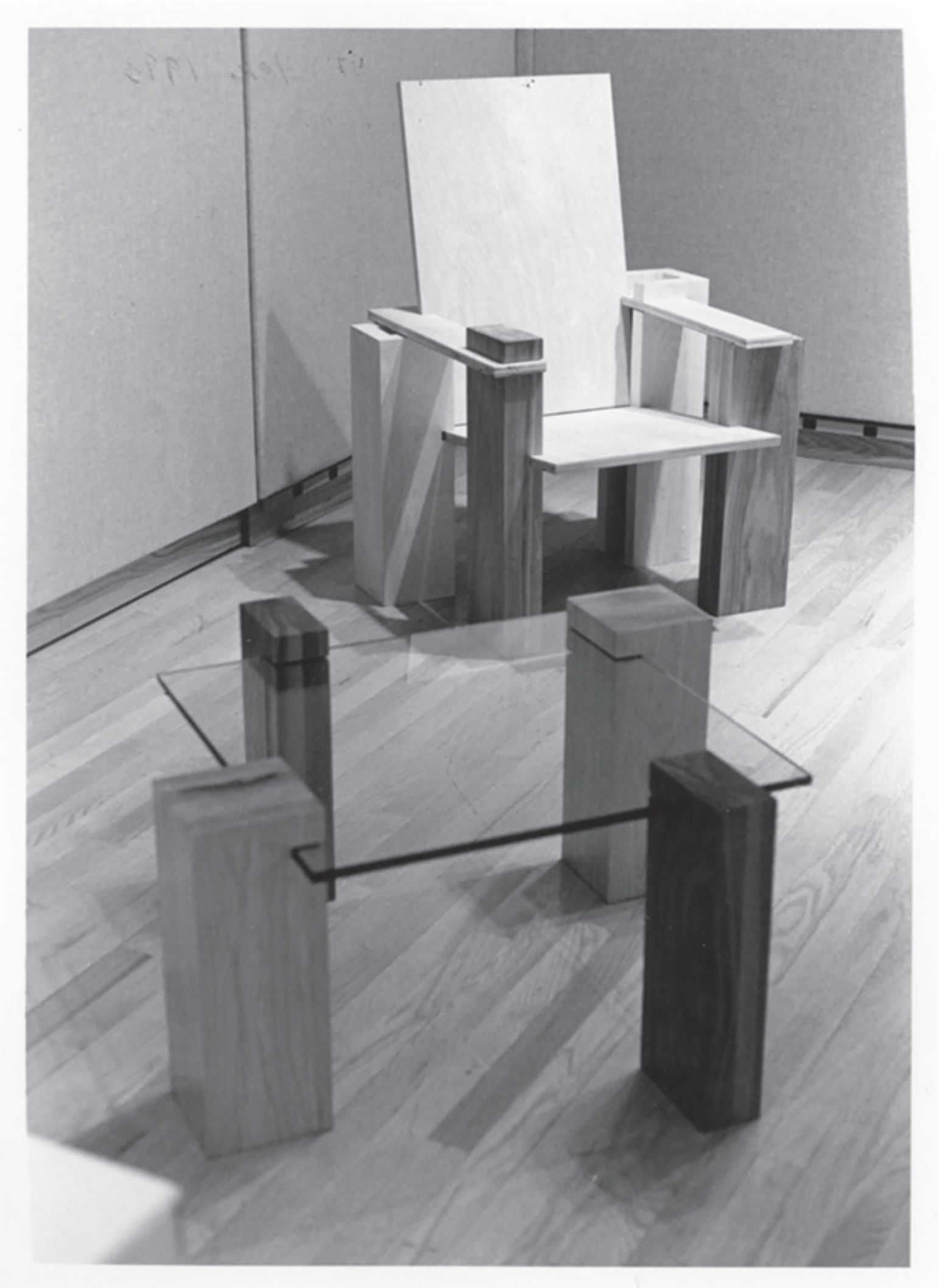
Hascup began teaching at Cornell in 1973 under the leadership of then-chair of the Department of Architecture Oswald Matthius Ungers, who was taken by Hascup’s care and precision in model-making. Hascup received tenure in 1979, was promoted to full professor in 1997, and received professor emeritus designation in 2019. Over the length of his career, he regularly taught studios and classes at all levels, and students clamored for a place in the intensive furniture design courses Hascup led for 17 years.
“Ever engaging and encouraging, George was often able to get students to do exceptional work for his studios, which invariably were ‘real-building,’ and practice-oriented,” recalled Professor of Architecture Mark Cruvellier. “He was curious and always willing to take on a new topic, and his open-mindedness drew him to collaboration in and outside the studio.”
Hascup received multiple awards for excellence in teaching during his career.
“George was respected for his commitment to building in teaching and practice,” said Professor of Architecture Andrea Simitch. “He also had a wicked memory for contemporary precedents. George was the consummate academic architect.”
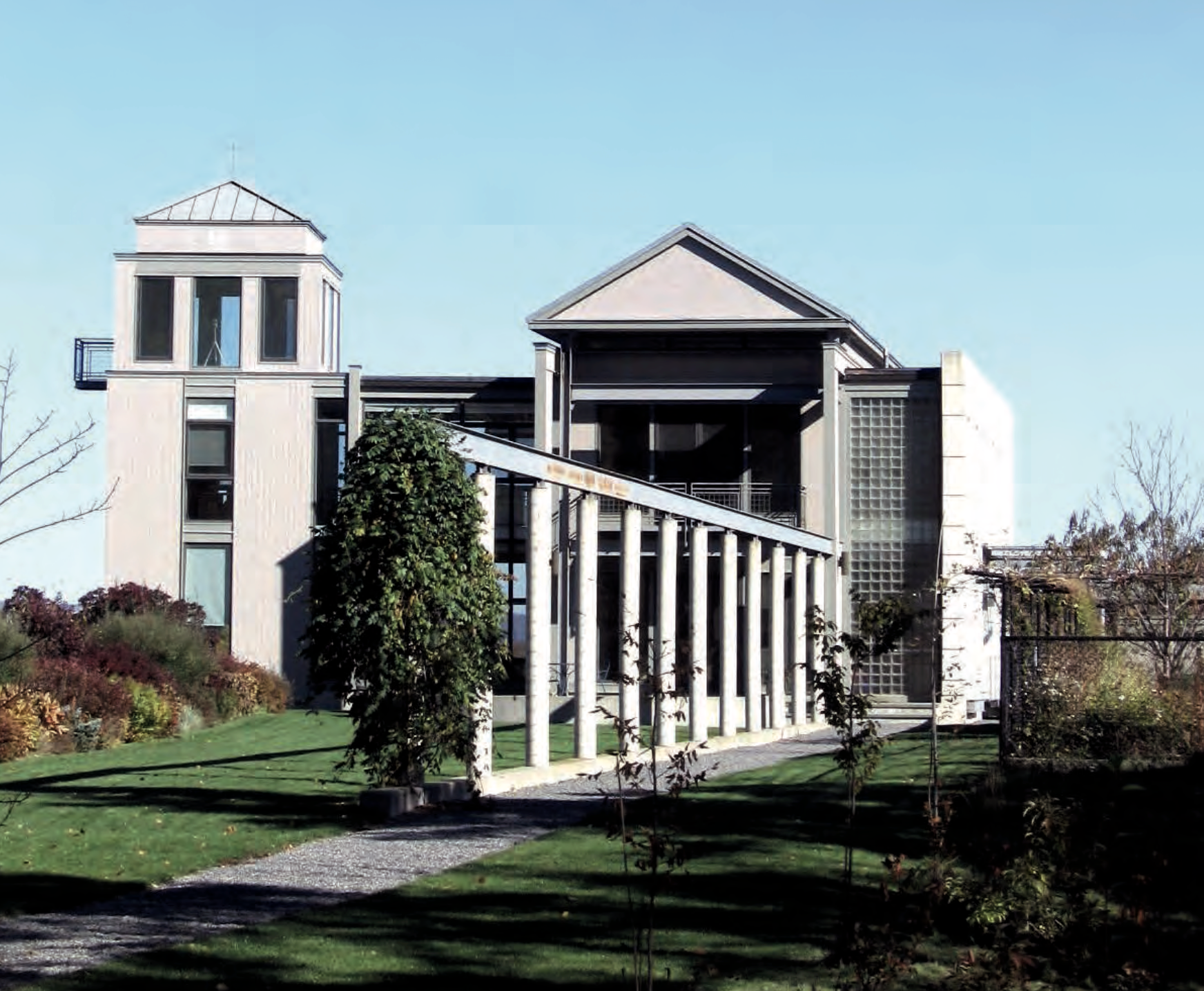
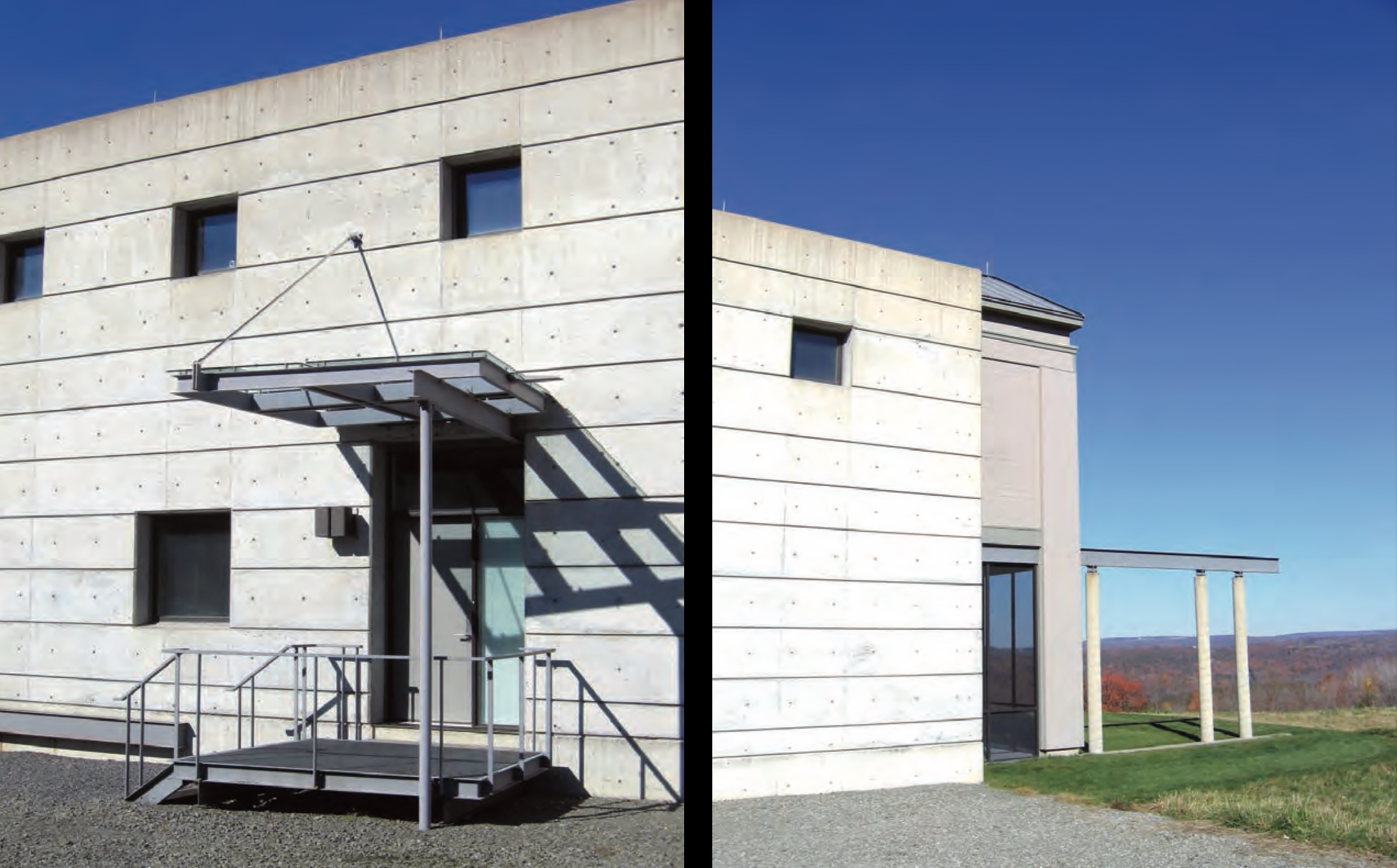
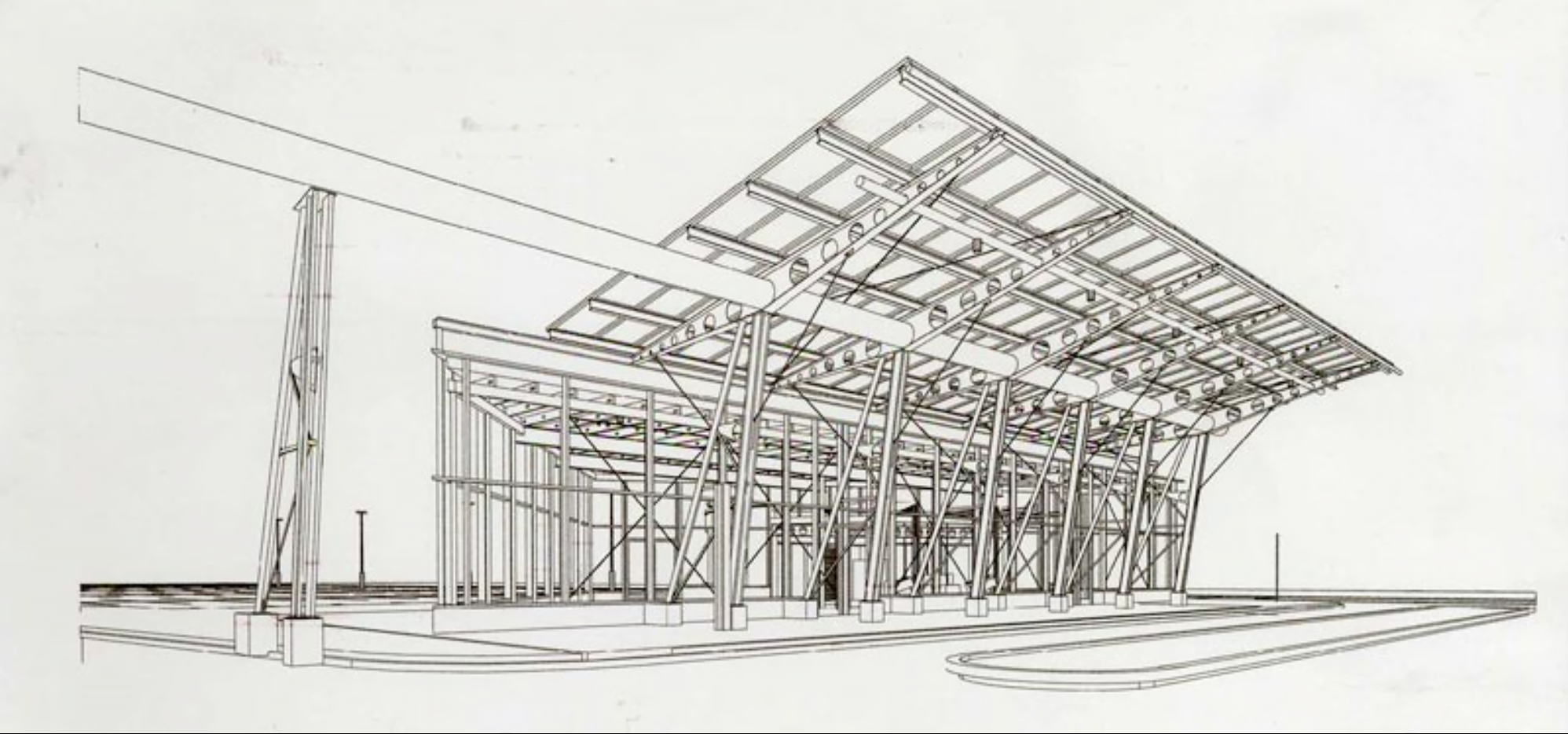
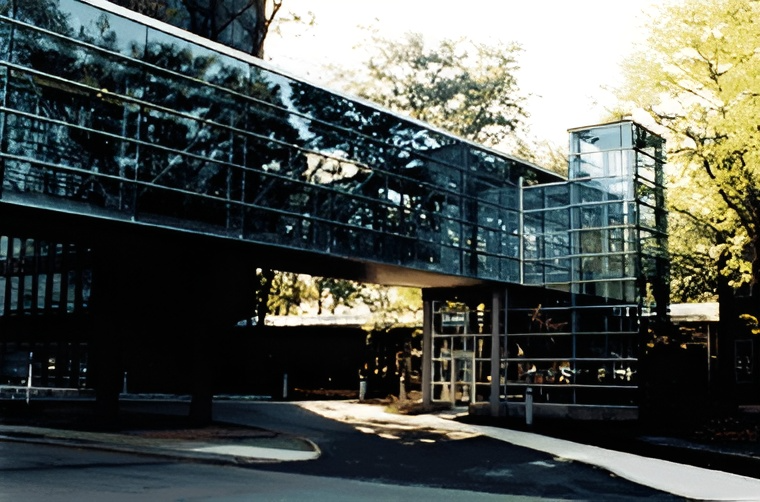
Hascup’s projects comprise an impressive range in scale and kind and reflect his design approach, which brought modernist sensibilities to the Finger Lakes region with various houses and buildings. His built work includes the Randel Residence, the Corning Museum of Glass Welcome Pavilion, the Lake Source Cooling Plant on Cayuga Lake, the renovation of Cornell’s Big Red Barn, and several more. Throughout his career as an architect and educator, he drew from the connections he maintained with alumni and colleagues, including Barradas, Art Gensler (B.Arch. ’58), William Smith Downing, and Frank Barkow, among many others.
“When I began teaching at Cornell immediately after finishing my degree at the GSD, it was a pivotal time in my career. George showed me the ropes at AAP and gave me a job at his practice,” recalls former faculty member Frank Barkow, architect and cofounder of Barkow Leibinger. “We often discussed teaching and the region, particularly on the long bike rides we took around Ithaca. He was a mentor, which may be the most important kind of teaching you can give.”
In addition to being an inspiring educator, practitioner, and all-around design devotee, Hascup was a friend and mentor to many in the Ithaca area, a caring father and grandfather, and a loving husband and passionate tango partner to Sabina Hascup, his wife of 58 years.
Hascup was known fondly at Cornell AAP and in the Ithaca community for his affinity for dance. Simitch shared: “All visiting faculty were immediately swept up and taken to one of George and Sabina’s favorite local tango haunts — only then were they fully initiated to Ithaca.”
Plans for a celebration of Hascup’s life are forthcoming.
Hascup’s papers are held in Cornell University’s Carl A. Kroch Library Division of Rare and Manuscript Collections.